












Older adult abuse prevention programs, scams, legal help, shelter housing, training professionals, increasing awareness & advocacy.

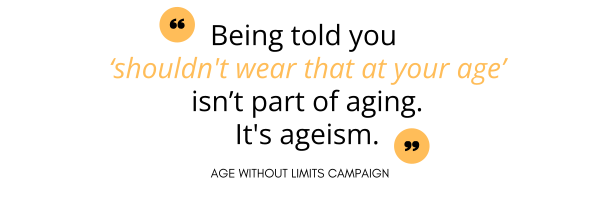
Aging awareness, diversity and inclusion programs, fighting ageism, advances in gerontology, and marketing to the unique needs of older adults.

Support and assistance for caregivers, training for family and professionals on how to meet the needs of older adults, and supporting kinship care.

Employment programs for older adults, intergenerational collaborations among ages, saving the environment, volunteering to make a difference with skill, talent and experience.
Dementia assistance, home care, help for caregivers, memory care, activities for those with dementia including dementia and the arts, dementia training for staff and advocacy.
Palliative end of life care training, hospice, compassion and choices, advance directive, power of attorney, the terminally ill and their pets and more planning tools.
"In the end, it's not the years in your life that count. It's the life in your years."
-Abraham Lincoln

Senior health insurance, prescription, dental, hearing, vision programs. Mental health, depression, isolation, drug abuse, suicide prevention help, and nutrition and wellness programs for older adults.

In home care services and assistance, live-in care, medical house calls, and service dogs for seniors.

Affordable senior housing, assisted living, home sharing, home modification and repair assistance, emergency shelter for seniors and building senior friendly communities.
Skilled nursing, assisted living communities and villages, improving care, nursing home activities, animal assisted therapy in care homes and more.

In home senior safety, emergency medical response, disaster and emergency preparedness, mature driver courses, safe roads and communities, checking in on older adults.
Senior dating, meetups, classes for older adults, the arts, intergenerational connections, companion pets, and senior social programs to reduce isolation and stay connected.
FAQ: How do I balance caregiving with my own physical, emotional, and financial well-being?
Elder care is a crucial aspect of our society aiming to provide support and assistance to older adults who may need help with daily activities, health care, and overall well-being. The role of caregiver is wide reaching covering basic care skills, medical knowledge, communication, legal and ethical issues and emotional and psychological support. As a caregiver in order to provide the best care for others, it is crucial to first take care of yourself. Caregiver respite programs that help prioritize a caregiver’s own health, emotional wellbeing, boundaries and finances are critical in helping take on the role of providing care to an older adult.
For More Info: Caregiver Support and Assistance ProgramsFAQ: How do I stay socially connected and avoid loneliness?
Isolation can hurt both physical and mental health. Make time to talk with friends, join a group, or take a class (in person or online). From theatre and arts programs, to dating activities, there a numerous resources available for older adults to stay socially active in their retirement years.
More Info: Social Activity Programs for SeniorsFAQ: Does Medicare or Health Insurance Cover the Cost of a Ramp?
Original Medicare: Generally views wheelchair ramps as a home improvement rather than Durable Medical Equipment (DME) that directly treats a medical condition. Therefore, it usually does not cover the cost.
Medicare Advantage (Part C): These private plans may offer supplemental benefits that include coverage for home modifications, such as ramps, if they are deemed necessary to prevent injury or support safe access. Seniors need to check their specific Part C plan for details.
Medicaid: As a state-run program for low-income individuals, Medicaid and its Home and Community-Based Services (HCBS) Waivers are often a more viable path. HCBS waivers frequently cover ramps as part of home modifications or environmental adaptations.
FAQ: Can Medicare pay for someone to help me at home?
From home modifications to safety check-in programs, there are many resources available.
More Info: Senior Home Safety ResourcesFAQ: How do I balance caregiving with my own physical, emotional, and financial well-being?
Medicare may cover skilled home health care if you meet certain medical conditions and your doctor orders it. However, it does not usually cover ongoing personal care or housekeeping unless you are receiving skilled care (like physical therapy or wound care). For more ongoing personal support, look into Medicaid or state-funded programs.
Medicare Related Programs and InformationFAQ: I feel isolated now that I don't have coworkers. How do I make new, meaningful friendships at this stage of life?
Losing daily interaction is common, but making new friends is entirely possible! Friendships at this stage are often built around shared interests and regular routines.
Join a Group: Look for structured, recurring activities where you'll see the same people week after week. Examples include:
Hobby Clubs: Book clubs, knitting circles, gardening clubs, or history groups.
Fitness Classes: Low-impact options like senior yoga, water aerobics, or walking groups.
Community Centers: Check your local senior or community center for programs and game nights.
Be the Initiator: Don't wait for others to reach out. Be ready to take the first small step, like suggesting getting coffee after a class or a group event.
Reconnect with the Past: Use social media, email, or a phone call to reconnect with old colleagues, neighbors, or friends you haven't spoken to in a while.
FAQ: How can I regain a sense of purpose and structure when I no longer have my career to define me?
A feeling of purpose is one of the biggest drivers of happiness in retirement. Replace your work role with a role that involves contributing or learning.
Volunteer: Volunteering is a powerful way to meet like-minded people while feeling useful. Consider organizations like:
Food banks or animal shelters
Libraries or local historical societies
Mentoring programs for young people (sharing your professional wisdom).
Pursue Lifelong Learning: Enroll in a course (many community colleges offer free or low-cost classes for seniors), learn a new language, or master a challenging hobby like playing a musical instrument or painting.
Teach/Lead: Use your career skills to teach a class or start a club yourself. Sharing your expertise is a rewarding way to feel relevant and respected.
FAQ: My family lives far away, and I struggle with the technology needed to stay in touch. What's the simplest way to connect?
Technology is a great tool for bridging distance, and you don't need to be a computer expert to use it effectively.
Focus on Video Calls: The most engaging way to connect is with a video call, as it allows you to see expressions. Popular, simple apps include Zoom, FaceTime (for Apple devices), and Google Meet.
Get Help Learning: Don't try to learn alone! Many public libraries and senior centers offer free, one-on-one technology coaching or beginner classes specifically designed to teach you the basics of connecting with family online.
Schedule It: Set a recurring "virtual coffee" or "video story time" with family members. Having a set date and time makes it a reliable part of your social routine, just like a weekly meeting.